

Peru is an exceptional country where ten days can feel like a journey through several worlds. In a single trip, you can walk and enjoy the historic streets of Lima, discover ancient Inca cities while exploring the Sacred Valley, travel by train through stunning Andean landscapes, and finally stand before the world wonder of Machu Picchu, the most anticipated destination for the majority of travelers visiting Peru.
Organizing a 10-day itinerary in Peru requires more than just marking destinations on a map; it also depends on crucial factors like analyzing distances, altitude, transfer times, and the pace of each experience. A good 10-day Peru itinerary should allow you to discover the country’s essentials without turning every day into a race against the clock, but rather into an unforgettable experience.
For first-time visitors to Peru, the classic combination of Lima, Cusco, the Sacred Valley, and Machu Picchu offers an extraordinary alternative. However, with proper planning, it is also possible to incorporate special experiences, such as visiting Lake Titicaca or the Amazon.
In this guide, you will find our best 10-day Peru itinerary, alternative cost options, the best time to travel, how to adapt to the altitude, and how to customize the route according to your travel style.
Are 10 days enough to visit Peru?
Yes, 10 days are enough to enjoy an unforgettable trip through Peru, although not to see the entire country; however, it is the ideal amount of days to combine several places of your preference.
Peru is geographically vast, featuring a great variety of culture, folklore, unique attractions, and biodiversity. From the Pacific coast to the Andes and the Amazon rainforest, visiting Lima, Cusco, Machu Picchu, Arequipa, Lake Titicaca, and the Amazon in just ten days can become one of your best experiences.
For those visiting Peru for the first time, we recommend focusing on Lima + Sacred Valley + Machu Picchu + Cusco, an ideal route that combines the culture of the Peruvian coast with the landscapes of the Andes and the legacy of the Inca civilization. Furthermore, it allows you to see Machu Picchu without sacrificing the time needed to enjoy Cusco and the Sacred Valley.
10-Day Peru Itinerary:
| Day | Destination | Main Experience |
| Day 1 | Lima | Welcome to Peru and rest |
| Day 2 | Lima | Historic center and modern Lima |
| Day 3 | Cusco | Flight to Cusco and acclimatization |
| Day 4 | Cusco | City of Cusco and Inca legacy |
| Day 5 | Sacred Valley | Pisac, Ollantaytambo, and train |
| Day 6 | Machu Picchu | Guided tour of Machu Picchu and return |
| Day 7 | Cusco | Free time and local experiences |
| Day 8 | Cusco | Andean excursion or cultural experience |
| Day 9 | Cusco | Flexible day / alternative excursion |
| Day 10 | Lima | Farewell |
This itinerary is designed to offer a comfortable pace, rather than trying to cram in as many destinations as possible. If you want to explore more regions of Peru, you will find alternative routes below.
Day 1: Welcome to Peru
The ideal itinerary begins in Lima, the capital of Peru, as Jorge Chávez International Airport is usually the main gateway to the country for international travelers.
From Lima, it is possible to take connecting flights to various tourist destinations in Peru. Cusco is one of the most frequent connections, especially for those who want to visit Machu Picchu and the Sacred Valley. However, there are also connections to other important destinations like Arequipa, Puno, Puerto Maldonado, and Iquitos.
Choosing the best connection will depend on the route and the experiences you want to include in your trip. Therefore, planning the itinerary in advance is essential to organize flights efficiently, avoid unnecessary travel, and make better use of your time during your visit to Peru.
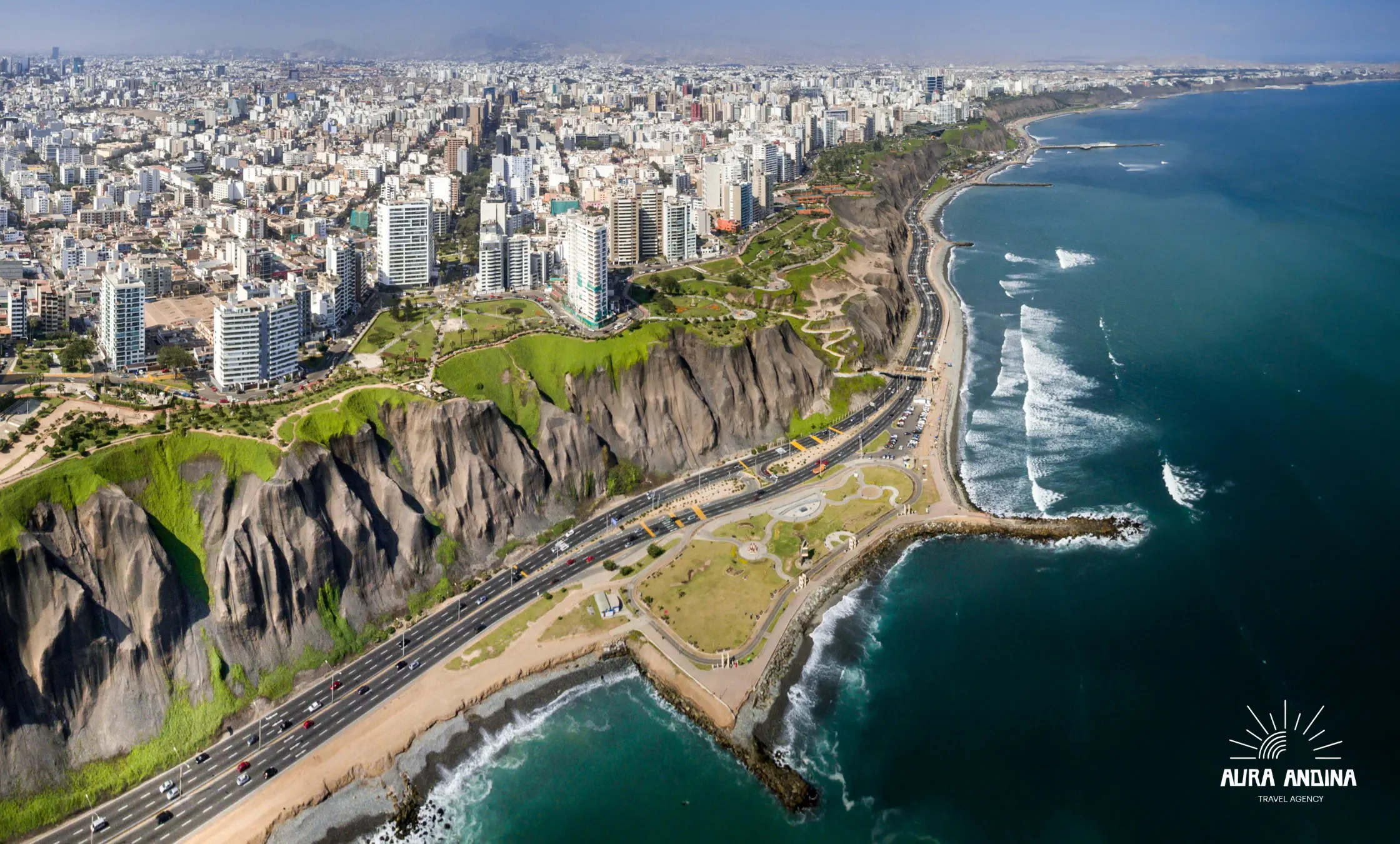
Day 2: Discover Lima, the capital of Peru
The cultural experience that Lima offers deserves a spot on your itinerary. For many travelers, Jorge Chávez International Airport is the main gateway to Peru, so taking advantage of your arrival to see a bit of the capital is an excellent way to start the trip.
If your international flight arrives in Lima, it is advisable to dedicate at least one or two days to getting to know the city. The first day can be spent resting and recovering from the trip, while the second is ideal for exploring some of its main attractions.
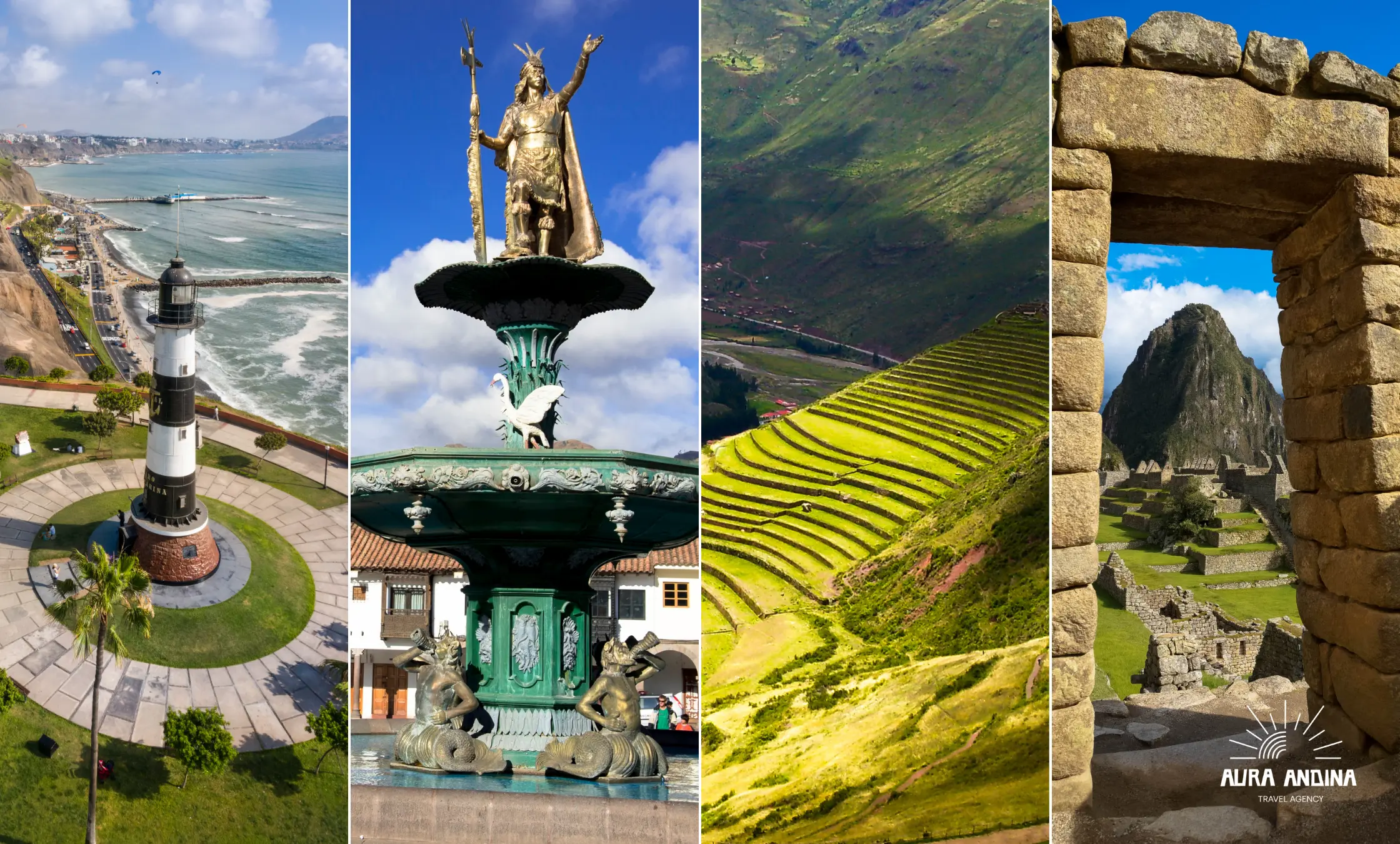
Known as the City of Kings during the Spanish colonial period, Lima became one of the most important cities in South America. Today, its Historic Center, colonial architecture, modern neighborhoods, cliffs facing the Pacific Ocean, and renowned gastronomy reflect Peru’s cultural diversity.
During your visit, you can explore the Historic Center of Lima, see its colonial churches, mansions, and squares, and then discover areas like Miraflores and Barranco, where you will find a more contemporary atmosphere, art, cafes, restaurants, and beautiful views of the Pacific.
And if there is one thing you cannot miss in Lima, it is its gastronomy. The city is considered one of the great culinary destinations of Latin America. Take the opportunity to try iconic dishes like ceviche, causa limeña, lomo saltado, or ají de gallina, as well as traditional drinks and products like chicha morada, Peruvian corn, and a huge variety of native potatoes.
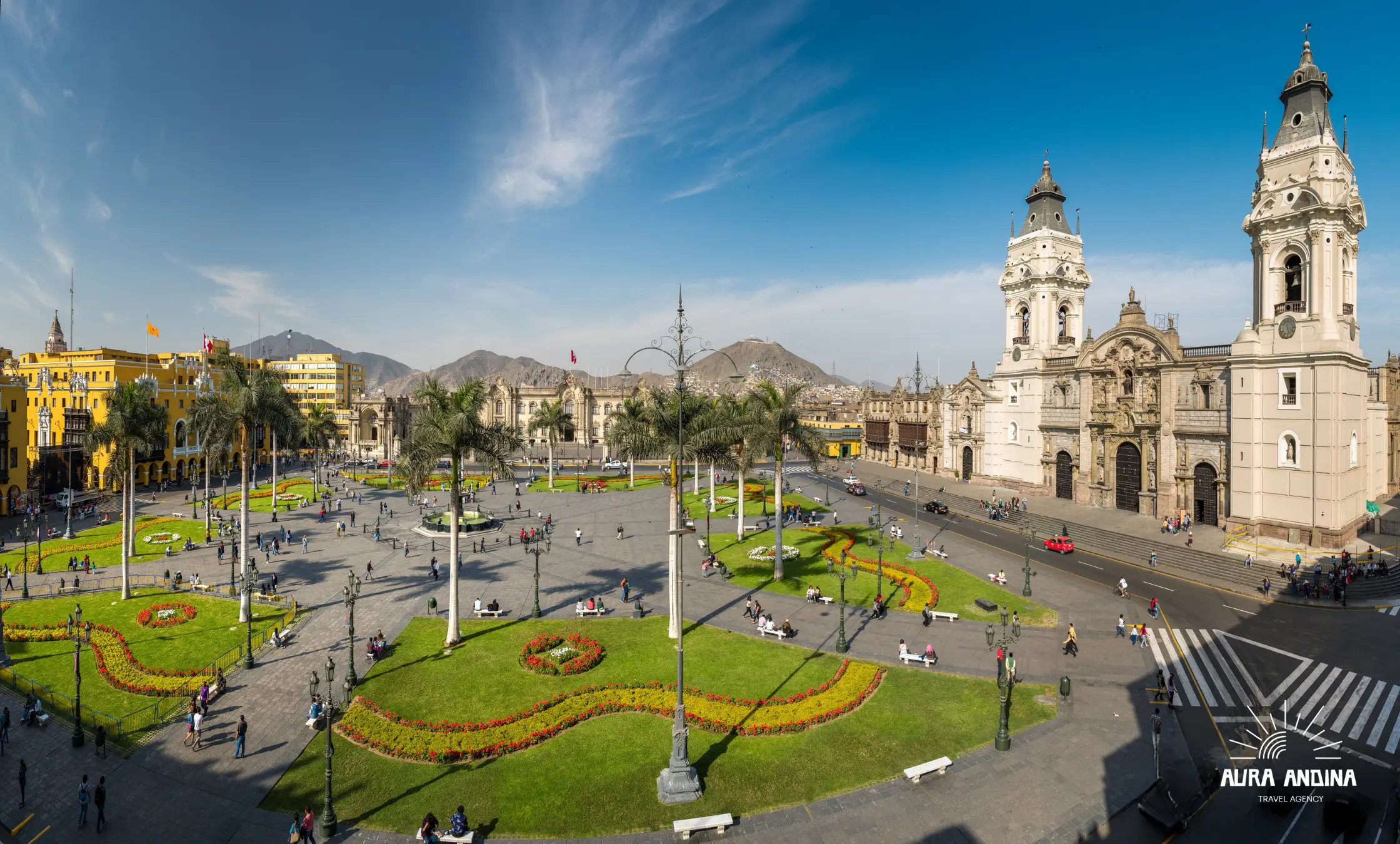
Have more time? Explore Ica and the Peruvian coast
If you have a few extra days and are looking to combine adventure, nature, culture, and sun, you can extend your trip to the Ica region and the southern coast of Peru.
In this area, you will find very different experiences: navigating the Ballestas Islands to observe sea lions and seabirds, visiting traditional vineyards and wineries, touring old haciendas, sandboarding and buggy riding through the Huacachina dunes, or even discovering the mysterious Nazca Lines.
This extension is highly recommended for those who want their Peru trip to be more than just a visit to Machu Picchu, incorporating desert landscapes, gastronomy, history, adventure, and Pacific Ocean experiences.
Traveler’s tip: Do not underestimate Lima. Even though Machu Picchu is one of the main goals of your trip, dedicating a day or two to explore the capital will allow you to begin understanding the historical, cultural, and gastronomic diversity that makes Peru unique.
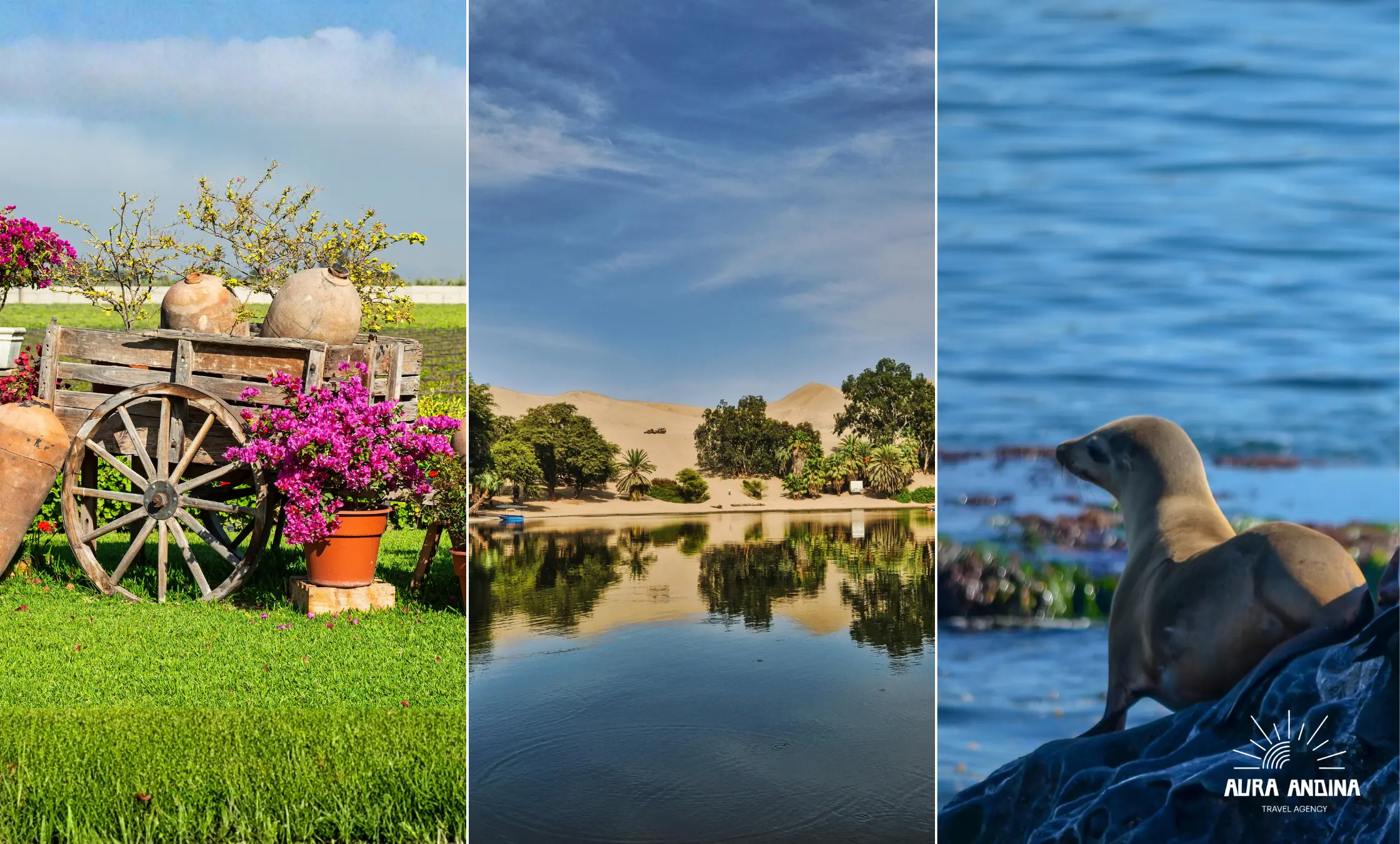
Day 3: Flight from Lima to Cusco and altitude acclimatization
The flight from Lima to Cusco is one of the most common connections for travelers wanting to explore the Andes and visit Machu Picchu. This journey marks the beginning of a new stage of the trip, as you will experience a significant altitude difference, going from the Pacific coast at 0 meters above sea level to a city located over 3,300 meters above sea level. For this reason, it is highly recommended not to schedule demanding activities on this day. After the flight, the ideal approach is to simply transfer to the hotel, rest, and allow the body to progressively adapt to the altitude. Staying well-hydrated, avoiding alcohol consumption, and taking things easy can help during the first few hours of acclimatization. Eat light, avoid consuming sugar, fat, or dairy, and the process will be much easier.
For travelers coming from places at a similar altitude, who are already used to the height, or who have experience traveling in mountain areas, it is possible to use part of the day for a relaxing activity. This could include a City Tour, the Sacred Valley tour, walking around the historic center of Cusco, visiting traditional markets, or enjoying cultural experiences like museums or nearby communities—activities that do not involve long walks or significant physical effort.
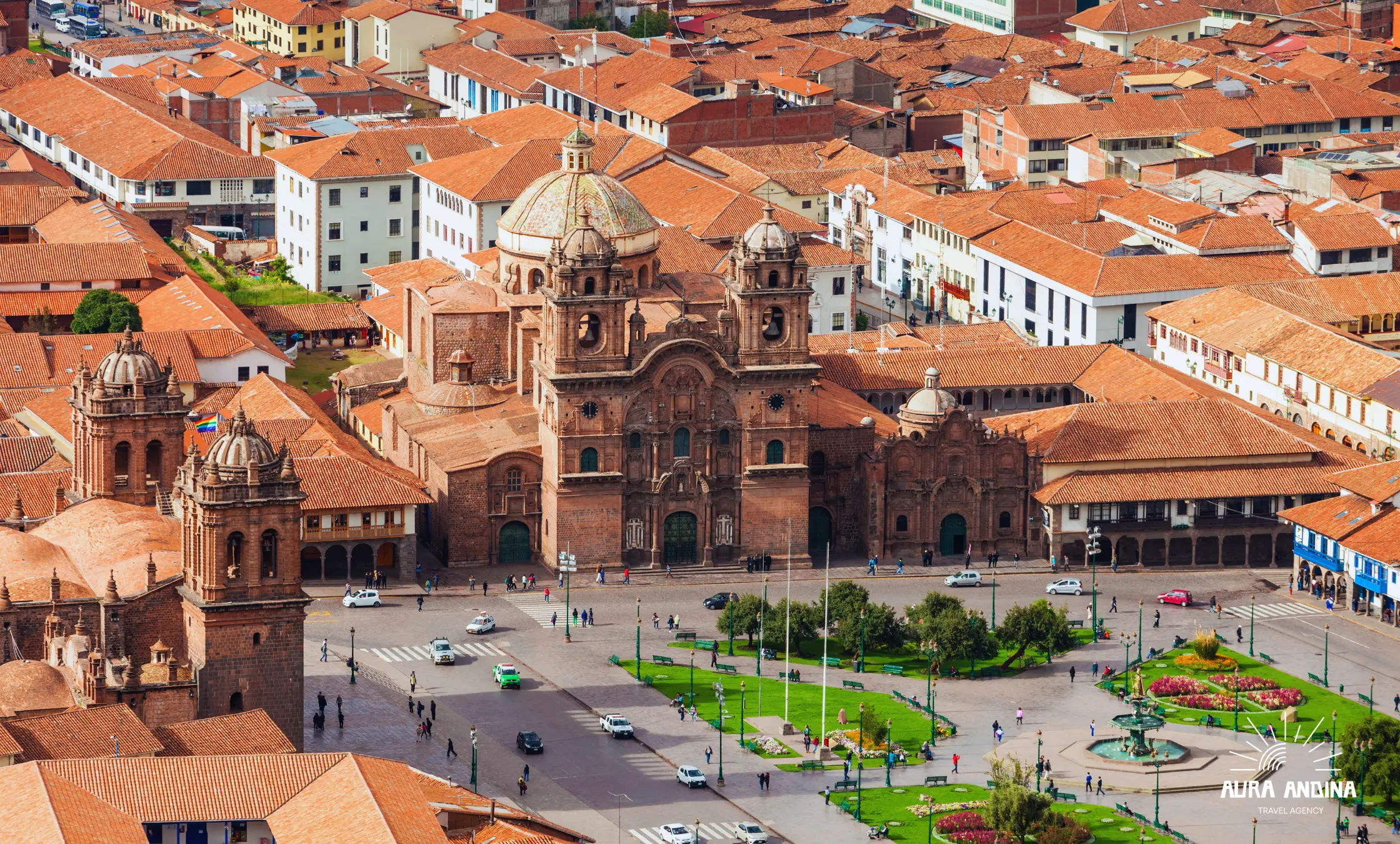
Day 4: Cusco and the start of your Andean adventure
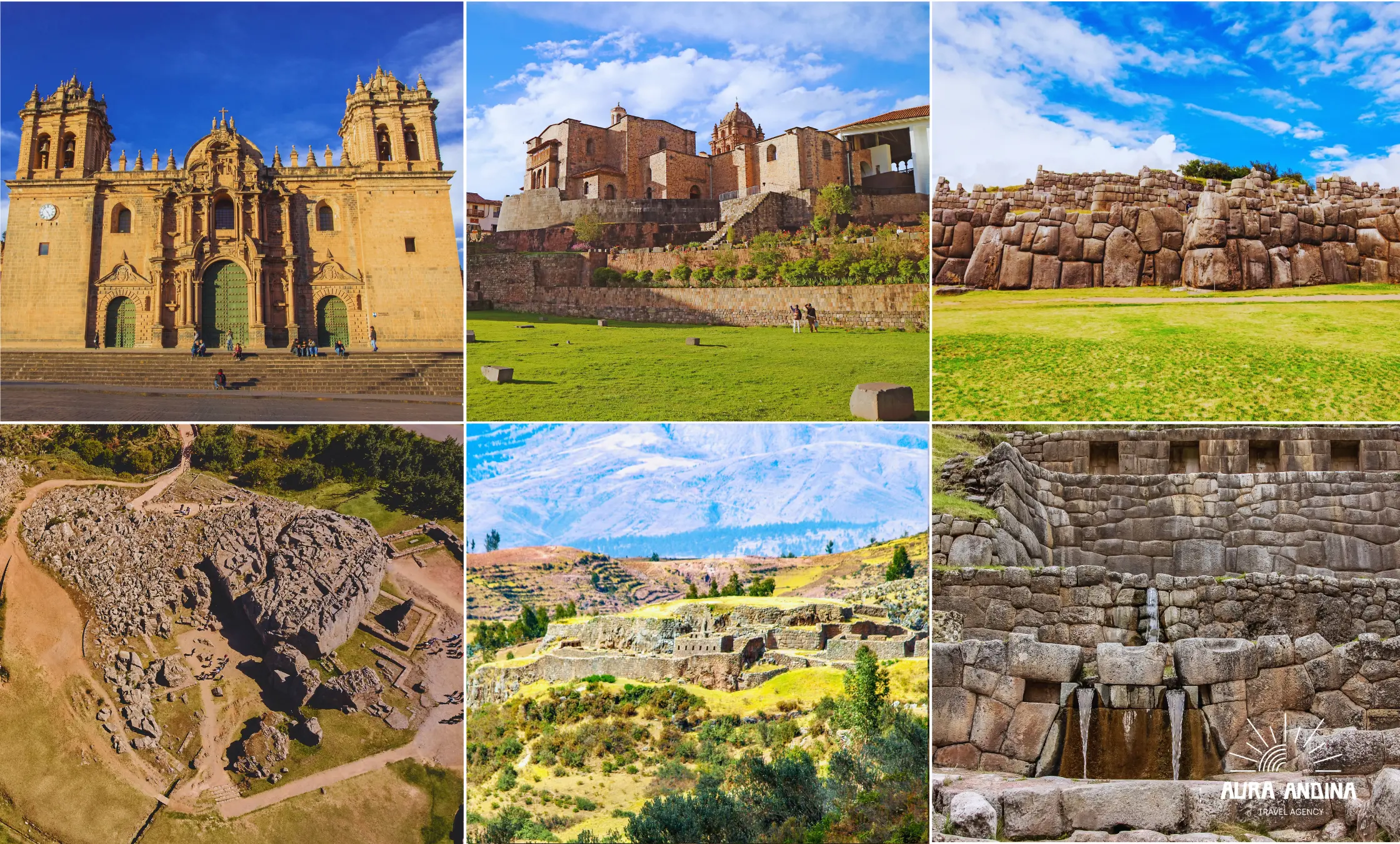
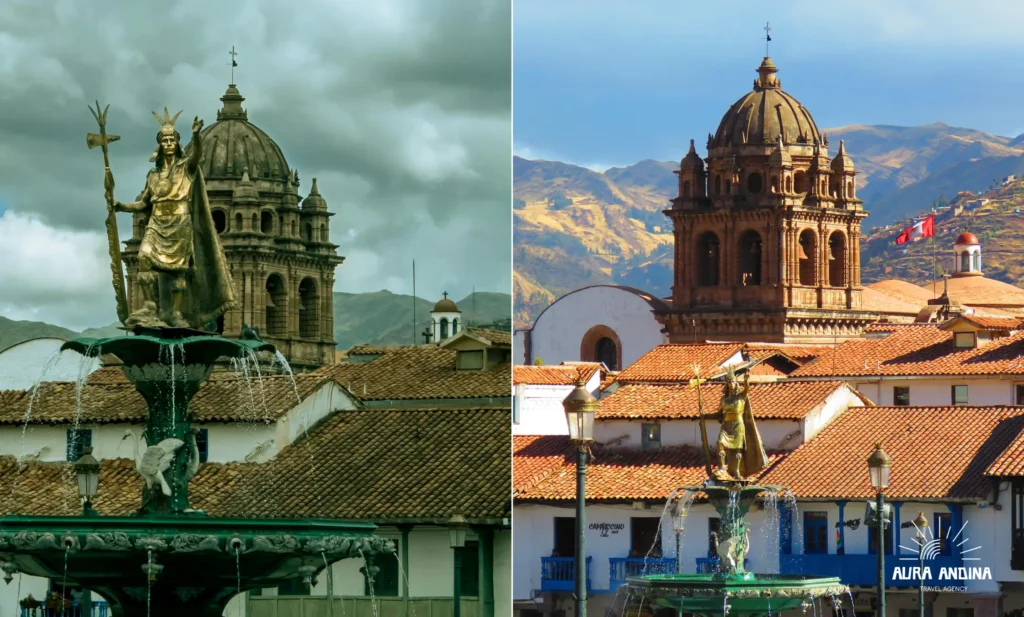
A Cusco City Tour can be an excellent introduction, as it combines culture and history with a moderate level of physical activity. You can visit the Qorikancha, the Cathedral, and nearby archaeological complexes like Sacsayhuamán, Qenqo, Puka Pukara, and Tambomachay.
Professional tip: Altitude affects everyone differently. Therefore, a flexible itinerary is often much better than trying to do a demanding excursion immediately after landing.
Day 5: Sacred Valley and the journey to Machu Picchu
The Sacred Valley is much more than a stop on the way to Machu Picchu. It was one of the most important agricultural and cultural regions of the Inca world.
Surrounded by towering mountains, the Sacred Valley preserves ancient agricultural terraces, archaeological sites, traditional communities, and towns where Andean culture remains a part of daily life.
A classic itinerary through the Sacred Valley and Machu Picchu might include:
- Pisac and its mysterious archaeological complex that tells you part of the Inca history.
- The traditional Pisac market, featuring authentic art and jewelry crafted by locals.
- Urubamba as a strategic spot to have lunch accompanied by spectacular landscapes.
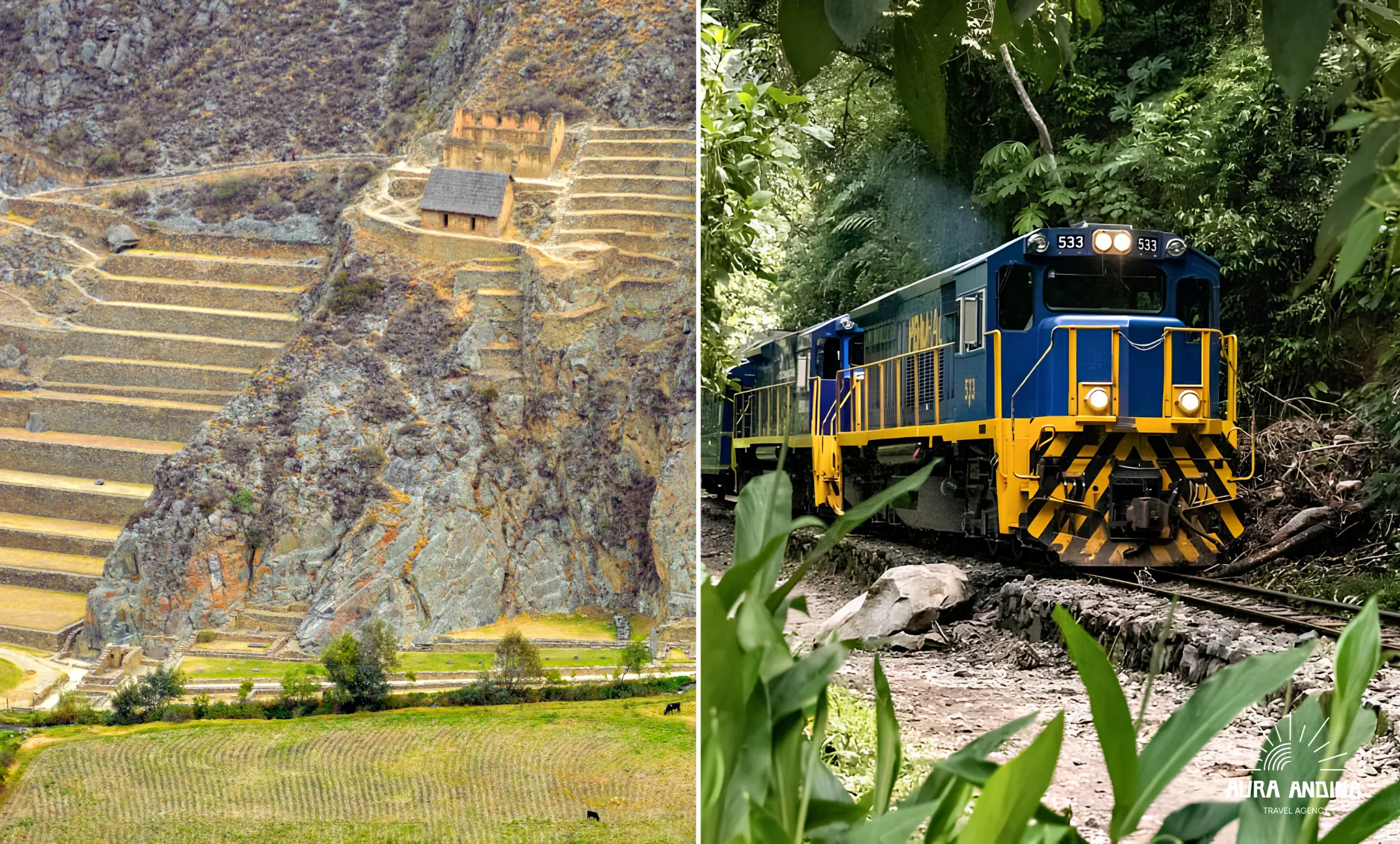
- Ollantaytambo with its archaeological center, strategically located for taking the train to Aguas Calientes – Machu Picchu Town.
Ollantaytambo is a fascinating place because it preserves much of its original Inca streets and urban structure. From here, the train follows the course of the Urubamba River towards Machu Picchu Pueblo.
The landscape changes gradually: the high mountains of the Andes give way to an increasingly green and humid cloud forest environment, serving as the gateway to the most important part of your experience in Peru.
Traveler’s tip: Spending the night in Aguas Calientes instead of trying to visit Machu Picchu and return to Cusco on the same day can make the experience much more relaxed and enjoyable.
Day 6: Machu Picchu, the heart of your 10-day Peru trip
Few experiences in Peru compare to seeing Machu Picchu for the first time.
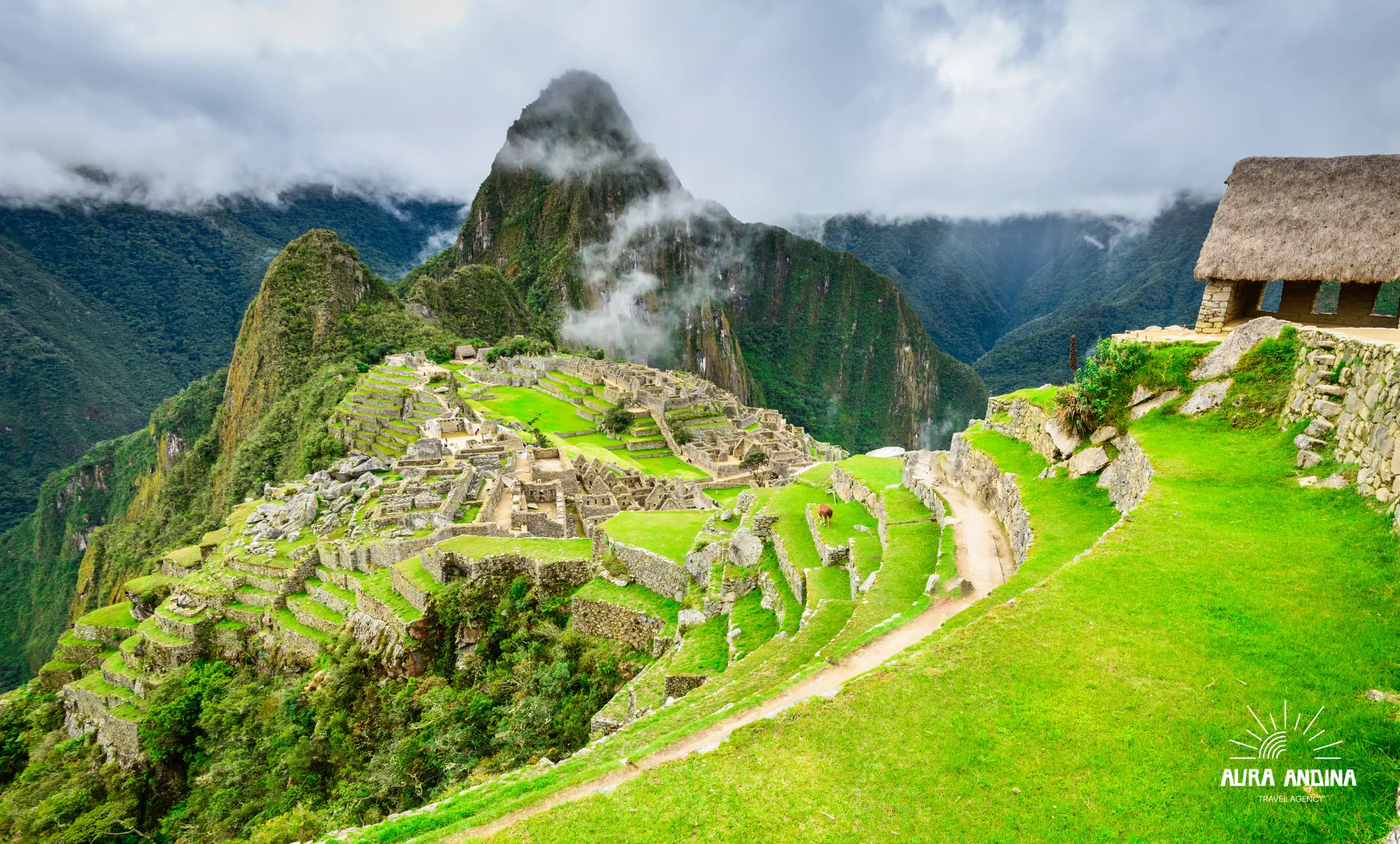
Hidden among the mountains above the Urubamba River, the citadel represents one of the greatest achievements of Inca architecture and engineering. Its terraces, temples, and stone constructions blend beautifully with the natural landscape.
For many travelers, this is the most anticipated and exciting moment of their entire 10-day trip in Peru, and for many, Machu Picchu is on their list of top places to visit.
A guided tour allows you to understand much more than what you simply see. A good guide can explain the relationship between architecture, astronomy, agriculture, and the Andean worldview.
Machu Picchu is located at approximately 2,430 meters above sea level, considerably lower than Cusco. This difference is another reason why the order of the itinerary can make a huge difference in the experience.
How to get to Machu Picchu from Cusco?
The most common route is: Cusco – Sacred Valley – Ollantaytambo – train – Aguas Calientes – bus – Machu Picchu.
The train ride is part of the experience. The route follows the Urubamba River through mountains and spectacular scenery, transitioning from an Andean environment to a cloud forest until reaching Aguas Calientes.
Since Machu Picchu tickets and train schedules must be coordinated, it is highly recommended to book 4 to 6 months in advance, especially during the high-demand season, which runs from April to October.
Day 7: A day to relax and celebrate
After the excitement of seeing Machu Picchu, this day is designed to slow down, rest, enjoy, and celebrate everything you’ve experienced in your own way. You can relax and recharge after fulfilling a major travel dream because reaching Machu Picchu is not just visiting a place… It is living a moment that deserves to be enjoyed unhurriedly, calmly, and with the satisfaction of having made it a reality.
Day 8: Adventure in the high Andean landscapes
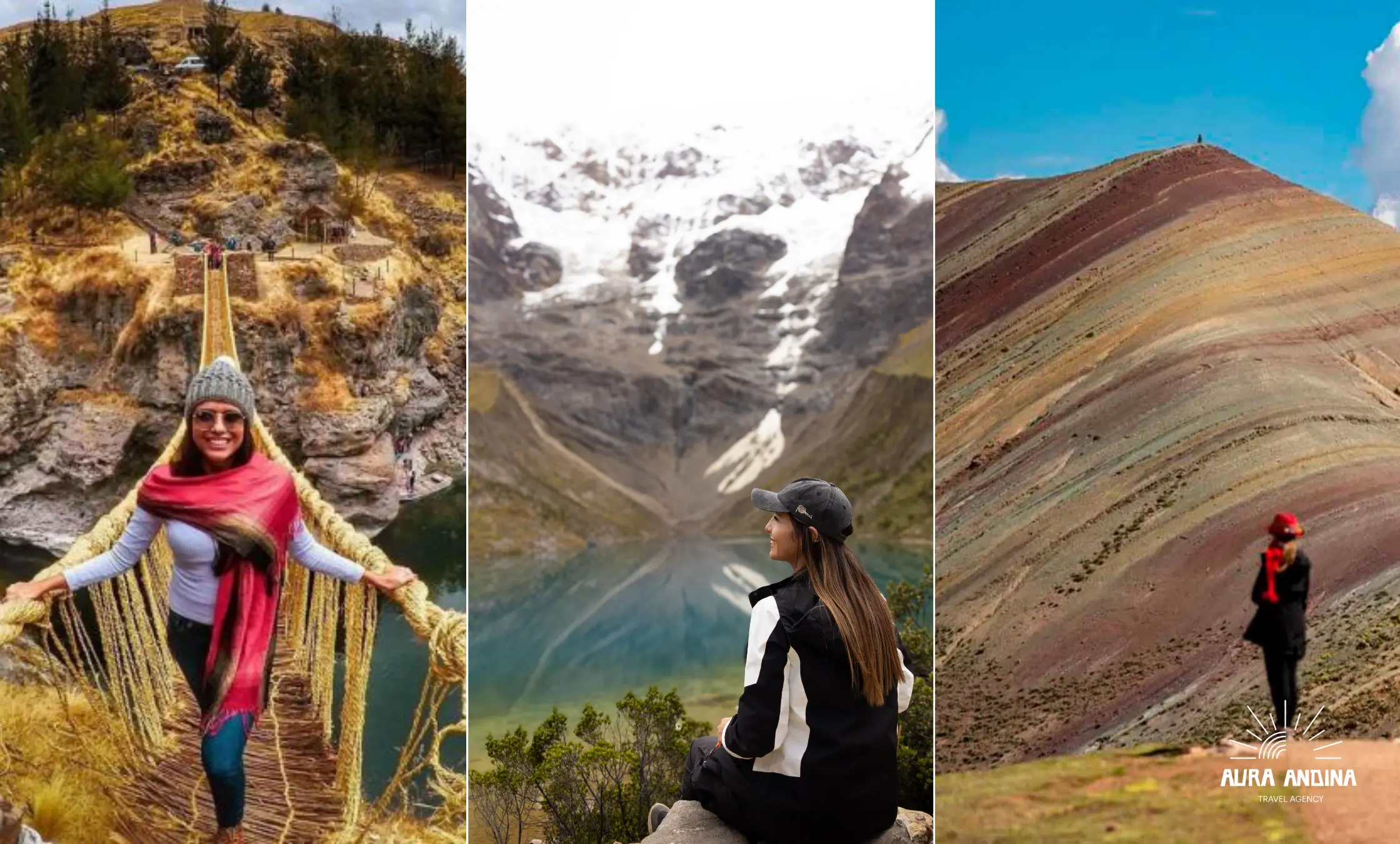
On this day, you can choose to do an adventure activity in the Andes or an experiential activity; it all depends on your energy and the type of experience you are looking for. After visiting Machu Picchu, you can dedicate this day to discovering high Andean landscapes, lagoons, mountains, and communities that preserve the essence of the Andes.
If you prefer a calmer experience with less physical demand, you can opt for places like the Q’eswachaka Inca Bridge, the Palcoyo Rainbow Mountain, or visit a high Andean community for a community-based experience, where you can enjoy stunning landscapes without overly demanding activities.
On the other hand, if you love adventure tourism and want a more active experience, you can choose routes that require more physical effort, such as Vinicunca Rainbow Mountain, Humantay Lake, or the 7 Lagoons of Ausangate.
The idea is that you can adapt this day to your own pace: from a relaxed excursion to a challenging adventure, testing your limits and taking away an authentic memory of Cusco.
Day 9: Maras, Moray, and an afternoon to enjoy Cusco
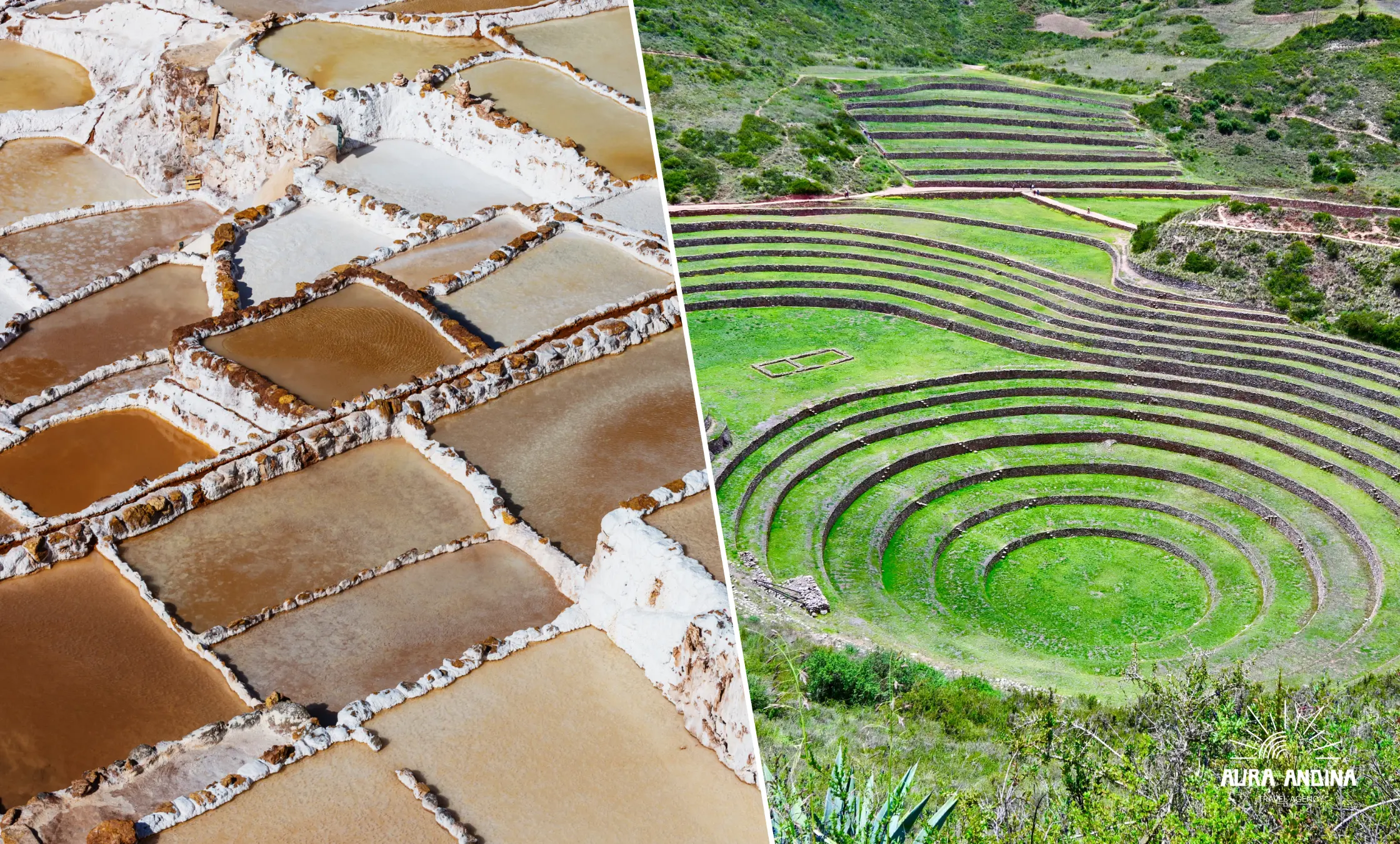
You can dedicate this day to discovering some of the interesting landscapes and archaeological sites around Cusco with a half-day excursion to Maras and Moray.
In Moray, the impressive circular terraces built by the Incas showcase their advanced knowledge of agriculture and plant adaptation to the different microclimates of the Andes. At the Maras Salt Mines, hundreds of small salt pools form a unique landscape, where an artisanal salt production tradition dating back to pre-Inca times is still maintained.
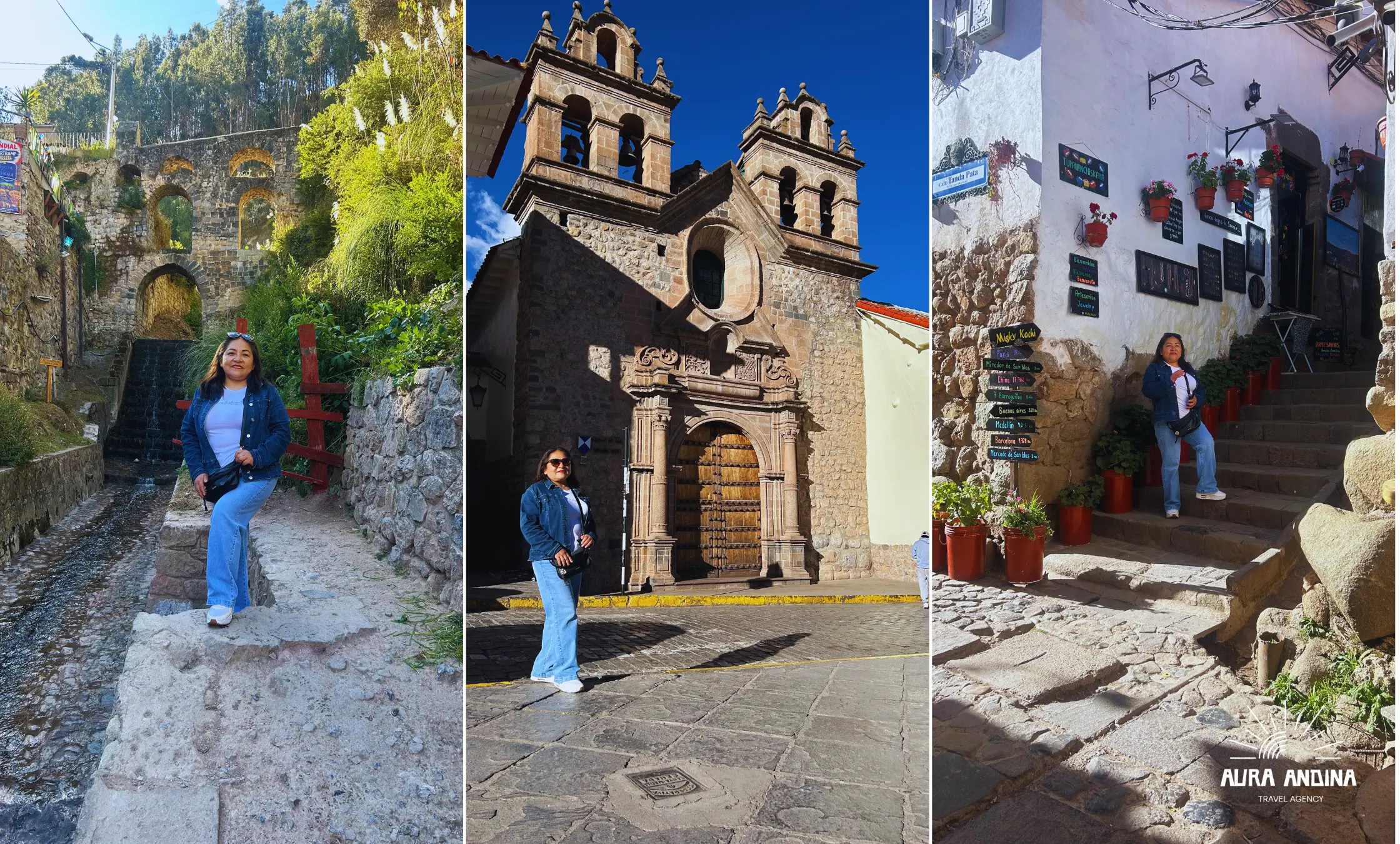
After this half-day experience, you will have the afternoon free to enjoy Cusco at your own pace, walking its streets, visiting a museum, exploring a market, or having a coffee in one of its cozy squares.
It is also the perfect time to do your last-minute souvenir shopping for family and friends, look for special crafts to remember your trip, and enjoy your final moments in Cusco.
Day 10: Farewell to Peru and return home
The time has come to say goodbye to Peru and the Andes. Depending on your flight schedule, you will have time to enjoy the city a bit more, have a final breakfast, take a short walk, or simply rest before starting your journey home or connecting to another country.
Undoubtedly, everything experienced during this trip will stay with you long after returning home: the landscapes, the flavors, the stories, and each of those moments that made your time in Peru so special.
10-Day Peru Itinerary According to Your Travel Style
10-Day Peru Itinerary without demanding hikes
Not all travelers want to trek through the Andes. While this is an attractive option for many, we know some travelers do not necessarily seek this to enjoy Peru.
A 10-day Peru itinerary without trekking can focus on cultural visits, scenic train rides, archaeological sites, markets, and guided experiential activities.
A comfortable route could be: Lima – Cusco – Sacred Valley – Machu Picchu – Cusco. This combination allows you to see some of Peru’s main attractions without multi-day hikes.
For those prioritizing comfort, private transportation, and a more relaxed pace, with experiences adapted to each traveler’s interests and needs—whether in groups or private service—at Aura Andina, we can customize your experiences.
10-Day Peru Itinerary for couples and luxury seekers
Peru is one of the best options for couples traveling, celebrating an anniversary, or taking a honeymoon.
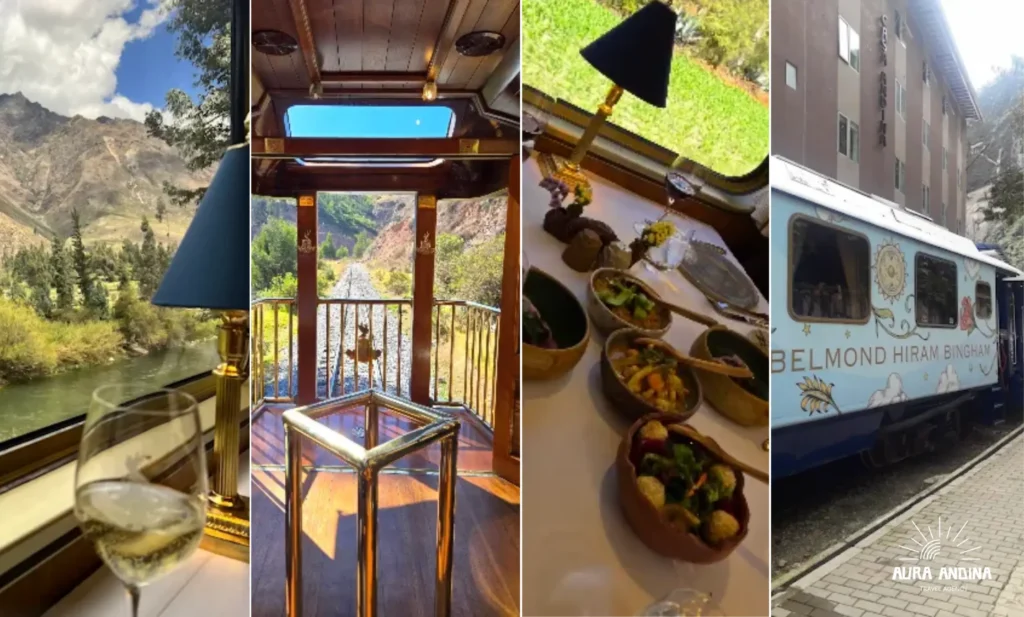
Instead of trying to visit as many destinations as possible, you can spend more time enjoying boutique hotels, private guides, scenic or luxury train rides, gastronomic experiences, and quiet moments away from crowded areas.
A 10-day Peru itinerary for couples might include private transportation, carefully selected hotels based on your preferences, a private Machu Picchu experience, and a peaceful stay in the Sacred Valley.
For a luxury 10-day Peru itinerary, the priority will always be quality over quantity.
Luxury in Peru does not just mean staying in five-star hotels. It also means having a private guide to interpret history, enjoying a special train journey, and having the flexibility to adapt the pace of each day to your own rhythm and interests.
At Aura Andina Travel, we design personalized trips combining comfort, authentic experiences, and local knowledge so that everything is ready for you to enjoy upon arrival.
Alternative: 10 Days in Peru with Lake Titicaca or the Amazon
Machu Picchu is the priority for most Peru packages; however, being a multicultural and diverse country, Peru also offers other alternatives to enhance your itinerary, such as Lake Titicaca or the Peruvian Amazon.
Peru Itinerary with Lake Titicaca
If you are looking for authentic, experiential encounters, this is one of the best alternatives: a route combining Cusco, Machu Picchu, and Lake Titicaca, allowing you to discover another dimension of Andean culture.
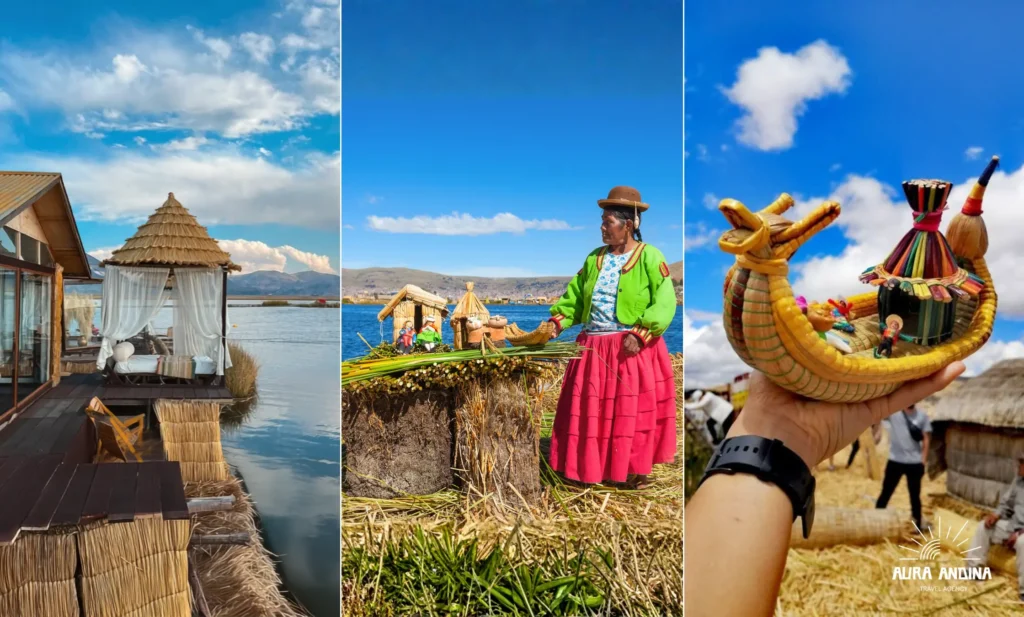
You can travel to Puno and discover Lake Titicaca, exploring communities and islands tied to the lake’s life and culture. Highlights include the floating Uros islands, famous for their handcrafted totora reed constructions; as well as Taquile and Amantaní, where inhabitants keep their ancestral traditions, customs, and ways of life alive, passing them down through generations. You can even spend the night sharing part of their daily life.
This option is particularly interesting for travelers wanting to dive deeper into Andean traditions and see different, authentic landscapes.
Peru Itinerary with the Amazon
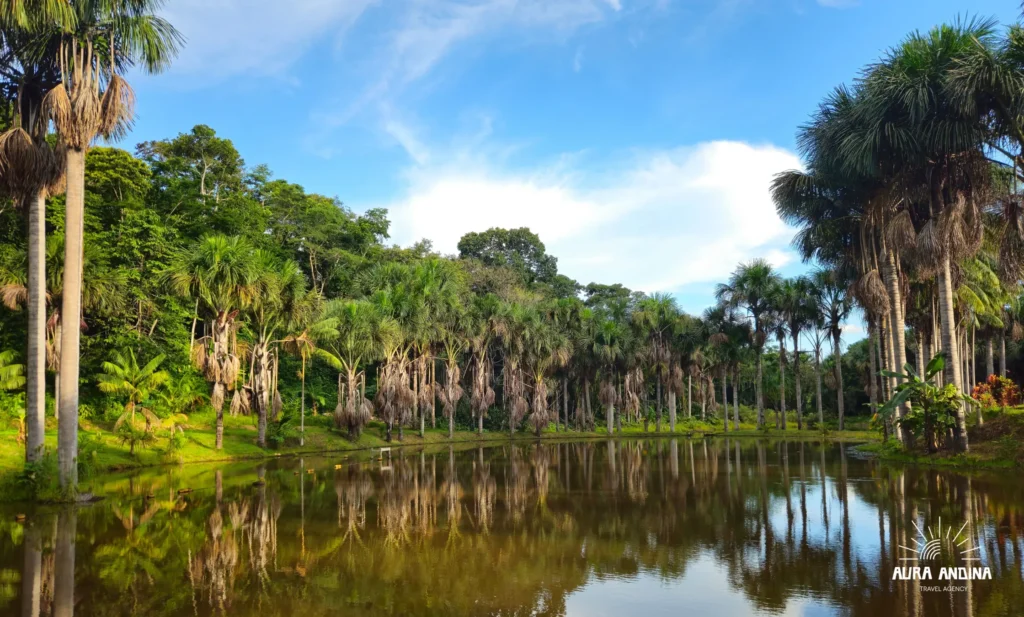
The Peruvian Amazon is another excellent alternative for those seeking closer contact with nature and wildlife. To enjoy this region calmly and make the most of its activities, it is ideal to dedicate at least 4 days. However, if you have limited time, there are also 3-day programs that provide a great jungle experience without overextending the itinerary.
If wildlife observation and nature are top priorities, it is worth designing the trip around the Amazon rather than just adding it as a quick extension.
What is the best time to travel to Peru?
There is no single best time to travel to Peru, as the country features a huge diversity of regions, landscapes, and climate conditions. However, for most travelers, the weather in Cusco is often a deciding factor when planning an itinerary, as this region is home to Machu Picchu, one of the country’s main attractions and must-see destinations.
Therefore, although each region has its own ideal season, planning a trip to Peru usually takes the weather conditions of Cusco and Machu Picchu as a baseline, especially when these destinations are an essential part of the journey.
In the Andes and Machu Picchu, the dry season runs from May to September, offering favorable conditions for tours and enjoying the mountain landscapes.
The rainy season, generally stretching from October to April, can bring rainfall and cloudy skies, although it also offers greener landscapes and generally fewer visitors. Within this season, April and October are usually particularly favorable months, as they are transition periods offering good weather, beautiful scenery, and fewer tourists, making them great choices.
When choosing your dates, consider not only the weather but also your tolerance for crowds, hotel availability, and the activities you wish to do.
What to pack for a 10-day trip to Peru?
Pack your luggage keeping various types of weather in mind; it is best to choose clothing that allows for up to 3 layers, ideal for withstanding any climate you might face.
Essentials:
- Comfortable walking shoes (Shoes with good grip or trekking boots)
- Light clothing and several layers
- A warm jacket for Cusco and higher altitude areas
- A waterproof jacket or poncho
- Sunscreen
- Sunglasses
- Hat or cap
- Reusable water bottle
- Small backpack for excursions
- Personal medications
- Passport and travel documents
And remember: the weather in the Andes can change quickly, even within a matter of hours. In a single day, you might experience a sunny morning followed by a rainy afternoon, or enjoy clear skies while strong winds and cold temperatures suddenly appear. It is best to be prepared for different weather conditions and always bring suitable clothing to adapt to these changes.

Plan your 10-day adventure in Peru
Ten days are usually more than enough when it comes to visiting Peru’s essentials and beginning to understand why this country leaves such a profound mark on those who visit. The secret is not trying to see everything, but choosing the right places, connecting them smartly, and leaving enough space to truly live each experience.
At Aura Andina Travel, we are a local Peruvian travel agency and tour operator based in Cusco. We design personalized trips combining local knowledge, comfort, and authentic experiences.
Discover our Peru tour packages, explore our experiences in Cusco, check out our programs combining Machu Picchu, Lake Titicaca, and other southern Peru destinations, or customize your trip with experts who will gladly assist you and tailor your experience to your needs.
Your 10 days in Peru can be much more than a vacation. They can become a journey through history, living culture, and landscapes that you will remember long after you return home; discover Peru with Aura Andina Travel.


